Accessible Outdoor Spaces Start With Cleaner Paths and Ramps
Accessible design is often discussed in terms of gradients, handrails and tactile indicators, but one of the most important factors is regularly overlooked: cleanliness. A ramp that meets every dimension in the Australian Standards can still be unusable if it is slippery with algae, covered in leaf litter or stained with grease. For people who use wheelchairs, mobility scooters, walking frames, prams or white canes, a dirty path is not just unattractive. It can be a genuine barrier to getting in and out of a property safely.
In Parramatta, where residential homes, medical practices, shopping precincts, schools, apartment complexes and community facilities all rely on outdoor access routes, regular surface maintenance is https://parramattapressurecleaning.com.au/ a practical part of inclusive design. This article explains why clean paths and ramps matter, what problems build up on outdoor surfaces, and how property owners and managers can keep access routes safe and compliant in 2026.
Why Cleanliness Is an Accessibility Issue
Accessibility is about whether a person can move independently and safely. Surface condition directly affects that in several ways:
- Slip resistance: Algae, moss, mould and biofilm create a slick layer, especially after rain. Wheelchair tyres, walking aid tips and shoes all lose traction on these surfaces.
- Visibility of markings: Tactile ground surface indicators (TGSIs), contrasting nosings and line markings help people with low vision. Dirt and staining reduce the luminance contrast these features depend on.
- Obstructions: Leaves, mud, fallen blossoms and debris can hide trip hazards or block drainage, causing water to pool on walkways.
- Rolling resistance: Built-up grime and loose grit make manual wheelchairs harder to push and can affect the grip of mobility scooter wheels, particularly on inclines.
- Hygiene and health: Bird droppings, food waste and mould spores can be a concern for people with compromised immunity or respiratory conditions.
Understanding the Standards That Apply
In New South Wales, accessible paths of travel are guided by the Disability Discrimination Act 1992 (Commonwealth), the National Construction Code, and Australian Standards such as AS 1428.1 for design for access and mobility, and AS 4586 for the slip resistance classification of new pedestrian surface materials. These documents set out requirements for ramp gradients, landings, handrails, surface finishes and contrast.
While these standards primarily address design and construction, a surface that has deteriorated through lack of maintenance may no longer perform as intended. A ramp rated for slip resistance when installed can lose much of that performance if it becomes coated in biological growth or oil. Property owners and managers who have a duty of care to visitors, tenants, staff and customers should treat routine cleaning as part of their ongoing risk management. It is always worth confirming current requirements with a qualified access consultant or the City of Parramatta Council for any specific project.

Common Problems on Outdoor Paths and Ramps in Parramatta
Algae, Moss and Mould
Parramatta's warm, humid summers and periods of heavy rain create ideal conditions for biological growth, especially on shaded paths, south-facing ramps and areas near gardens, downpipes or dripping air conditioners. Concrete, pavers, sandstone and timber decking all hold moisture differently, but all can develop a slippery film. Green and black growth is often the first visible warning sign.
Leaf Litter and Organic Debris
Established trees along streets and in parks and backyards drop leaves, seed pods and flowers throughout the year. When wet, this material becomes slippery and can clog drains and ramp gutters, leading to water pooling and further surface deterioration.
Oil, Grease and Food Stains
Driveways, car parks, loading zones and outdoor dining areas often collect oil and grease. These stains reduce traction and can spread onto shoes and wheels, carrying contamination into buildings.
Chewing Gum, Rust and General Grime
Commercial and public areas deal with gum, rust marks from metal furniture or handrails, and general traffic soiling. Gum is sticky and uneven, which can catch walking aid tips and small wheels.
Tannin and Efflorescence
Tannin stains from leaves can darken pavers and concrete, while efflorescence (white salt deposits) can appear on masonry and render near ramps. Both reduce visual contrast and, in some cases, affect surface texture.
Cleaning Methods That Suit Accessible Surfaces
Different surfaces call for different approaches. The wrong method can damage the very features that make a path accessible, such as textured finishes, tactile indicators and anti-slip coatings.
Pressure Washing
Pressure washing is effective for concrete, pavers and many hard surfaces. Pressure should be matched to the material. Excessive pressure can etch concrete, remove joint sand between pavers, damage sealants and wear down anti-slip grit on coated ramps. A fan-tip nozzle and consistent distance help prevent striping and surface damage.
Soft Washing
Soft washing uses low pressure with a suitable cleaning solution to break down algae, mould and lichen. It is well suited to delicate surfaces such as sandstone, older render, painted surfaces and some coated ramps. Because it treats the biological growth rather than just blasting it away, it can help slow regrowth.
Surface Cleaners and Hot Water Systems
Rotary surface cleaners give an even finish across large flat areas such as long ramps, courtyards and walkways. Hot water systems can lift grease, oil and gum more effectively than cold water alone and are often used in commercial settings.
Sealing and Anti-Slip Treatments
After cleaning, some surfaces benefit from a sealer or anti-slip treatment. It is important to choose products that do not make the surface glossy or slippery when wet. Where slip resistance is a concern, a slip resistance test and advice from a qualified professional can help determine whether a treatment is appropriate.
Tactile Indicators, Handrails and Contrast Features
Accessible paths include features beyond the walking surface. When cleaning, these should be given particular attention:
- Tactile ground surface indicators: Remove dirt from the raised studs and bars so they remain detectable underfoot and by cane. Use methods that will not wear down stainless steel, polyurethane or ceramic indicators.
- Handrails: Clean and sanitise regularly, particularly in high-traffic locations. Check that surfaces are smooth, secure and free of rust or flaking paint.
- Step and ramp edge markings: Keep contrasting strips clean so they remain visible, especially in low light or at night.
- Kerb ramps and crossings: Clear debris and silt that accumulate at the bottom of ramps and in gutters.
- Drainage grates and channels: Ensure they are free-flowing so water does not pool across the path of travel.
How Often Should Paths and Ramps Be Cleaned?
The right frequency depends on how much shade, moisture, foot traffic and tree cover a site has. As a general guide:
- Residential homes: A thorough clean once or twice a year, with regular sweeping in between. Shaded or north-facing damp areas may need more attention.
- Aged care, medical and community facilities: Quarterly inspections and cleaning are often appropriate, with immediate attention to any visible slip hazards.
- Retail, hospitality and commercial sites: Daily sweeping, with periodic deep cleans scheduled according to foot traffic, food service activity and weather.
- Strata and apartment complexes: Build cleaning into the annual maintenance plan and increase frequency in common areas that are heavily shaded or used by prams and mobility devices.
After storms or extended wet periods, additional inspection is sensible, as debris and growth can accumulate quickly.
Safety and Environmental Considerations
Cleaning outdoor surfaces in Parramatta should take account of the area's waterways, including the Parramatta River and its stormwater network. Wash water from cleaning can carry detergents, sediment, oils and biological material into stormwater drains, which flow untreated to local waterways. Responsible practices include:
- Using biodegradable or low-impact cleaning products where possible.
- Capturing and appropriately disposing of wastewater from commercial or heavily contaminated sites.
- Blocking or protecting stormwater drains during cleaning where required.
- Avoiding the use of harsh chemicals near garden beds, trees and pets.
Cleaning also creates temporary hazards. Wet surfaces, hoses and equipment can obstruct accessible routes, so work should be scheduled for quieter times where possible, with clear signage and an alternative accessible path provided while the area is being cleaned. Surfaces should be dry or safely passable before they are reopened.
Practical Maintenance Tips for Property Owners
- Inspect regularly: Walk the full path of travel, paying attention to ramps, landings, steps, tactile indicators and drainage points.
- Sweep frequently: Removing leaves and loose grit weekly or more often helps prevent staining and slippery buildup.
- Trim vegetation: Cut back overhanging branches and encroaching plants to reduce shade, moisture and debris, and to maintain clear width on paths.
- Fix drainage and leaks: Repair dripping taps, gutters, downpipes and irrigation that wet the same area repeatedly.
- Treat growth early: Address light algae before it becomes thick and difficult to remove.
- Keep records: Log inspections, cleaning dates and any repairs, which supports risk management and demonstrates a duty of care.
- Engage qualified professionals: For large, sensitive or high-risk sites, a professional cleaning provider can match methods to surface types and site needs.
Looking Ahead to 2027 and Beyond
As Parramatta continues to grow, with ongoing urban renewal, new residential towers, expanded light rail connections and increased public space, expectations around accessibility are rising. Councils, building managers and businesses are placing greater emphasis on the whole journey, from the street to the front door. Well-maintained paths and ramps are a visible sign that a property takes inclusion seriously. With an ageing population and growing awareness of disability access, regular surface maintenance is likely to become a more routine part of facility management plans in 2027 and beyond.

Choosing a Professional Cleaning Service in Parramatta
When hiring a cleaning provider for accessible paths and ramps, consider the following:
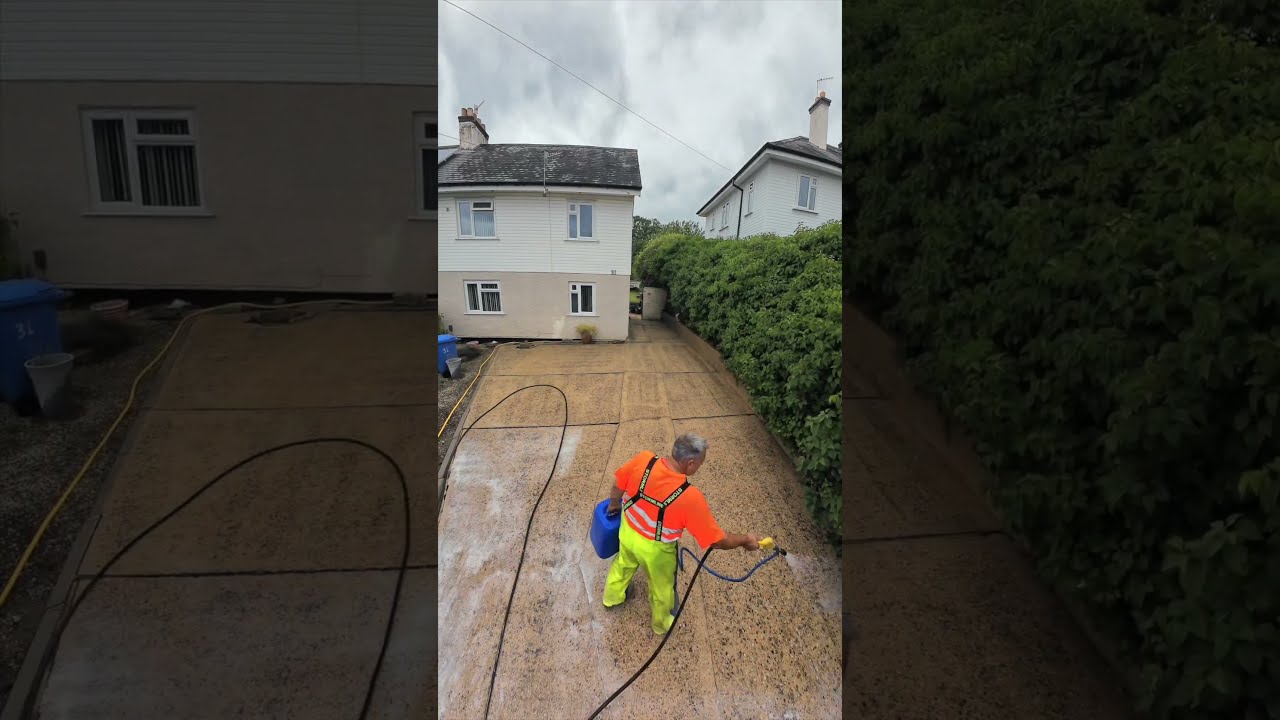
- Experience with different surface types, including concrete, pavers, sandstone, timber and coated ramps.
- Understanding of why textured, tactile and anti-slip surfaces need careful treatment.
- Appropriate public liability insurance and safe work practices.
- Environmentally responsible wastewater handling.
- Flexibility to work around business hours and keep an accessible route available.
- Clear quotes, scheduling options and, for ongoing sites, a maintenance plan.
Conclusion
Accessible outdoor spaces depend on more than good design. They rely on surfaces that are clean, visible, safe and consistently maintained. Removing algae, debris, grease and stains from paths and ramps improves slip resistance, preserves tactile and visual cues, helps drainage work properly and extends the life of the surface. For homeowners, strata managers, businesses and community organisations across Parramatta, a regular cleaning routine is a simple, practical way to help everyone move around outdoors with greater safety, independence and confidence.
Parramatta Pressure Cleaning
(02) 9538 7943